


Process & Manufacturing
Refractory kiln strip and process-vessel demolition.
Confined-space robotic work inside kilns, furnaces and process vessels — controlled contaminant handling, operator-safe remote operation.
Refractory and process-industry demolition is a confined-space discipline by default. The asset is usually a kiln, furnace, vessel or chamber that has spent decades absorbing whatever it processed — chromium, asbestos, hydrocarbons, heavy metals — into a thick refractory lining that now has to come out before the asset is decommissioned, relined or repurposed. The constraints are mechanical (limited access for plant), atmospheric (residual contaminants), and ergonomic (manual de-bricking in a hot, dusty, low-clearance space is the job nobody wants).
- Confined-vessel access
- Contaminant containment
- Operator-safe remote ops
- Crane-in plant deployment
GNAT UK's refractory work spans rotary kilns up to 100m long, vertical shaft furnaces, glass-industry tanks, cement kilns, biomass boiler chambers and chemical-process vessels. Access is typically by cutting a hole in the vessel wall and craning a compact robot into the well — a Brokk 60 in tight refractory, a Brokk 110 or 170 where headroom allows, occasionally a manipulator system where the geometry rules out a tracked machine.
What changes the economics is taking the operator out of the vessel. Manual de-bricking with hand-held breakers is slow, fatiguing and physically risky; remote-operated robotic demolition runs the same hammer power continuously, from outside the chamber. The lining drops out faster, the operator works in a safe environment, and the project finishes ahead of the manual-method baseline.
What makes this sector different
The constraints that shape every method choice.
Compact robots, vessel access
Brokk 60 and Husqvarna DXR140 machines fit through cut access holes and operate continuously inside the vessel — same hammer power as a 250kg machine, fraction of the footprint.
Contaminant containment
Fine mist suppression, sealed access points, sealed discharge to waiting tippers, full atmosphere monitoring — refractory dust never leaves the vessel uncontrolled.
Method-led around the vessel geometry
Cylindrical, rectangular, tapered — every vessel is different. Method statement defines access cuts, robot position progression and lining removal sequence before mobilisation.
Disciplines applied
The methods that anchor in this sector.
Each linked discipline covers the technique in full — equipment, applications, where it fits, where it doesn't.
Discipline
Robotic Demolition
Remote-operated machines for confined-access, structural-removal, and high-risk environments.
Discipline page →
Discipline
Abrasive Cold Cutting
Spark-free cutting for volatile and safety-critical environments.
Discipline page →
Discipline
Diamond Drilling & Sawing
Precision cutting in reinforced concrete and structural elements.
Discipline page →
Sub-sectors covered
Where process & refractory work happens.
- Rotary kilns (cement, lime, chromium, calciner)
- Refractory furnace strip-outs
- Glass-industry tank dismantling
- Pressure vessels and process tanks
- Biomass boilers and incinerator chambers
- Process pipework and tie-in removal
On site
Project imagery from the sector.
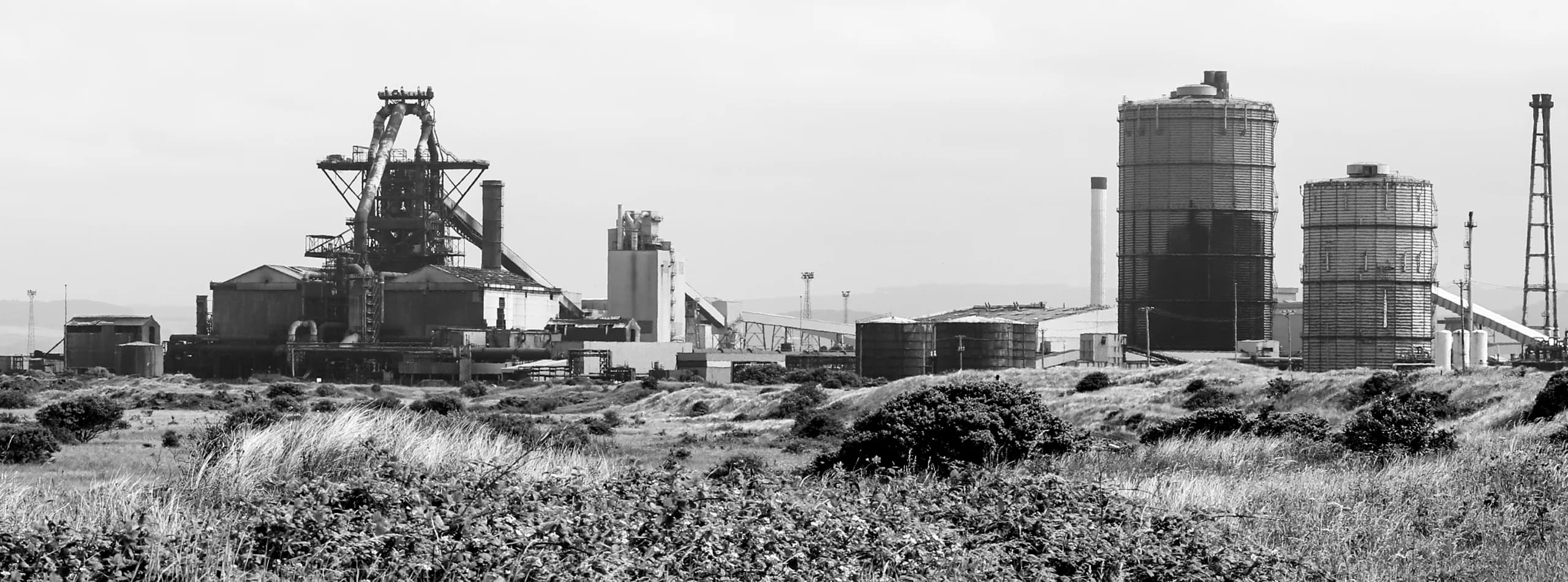
Additional on-site photography from recent schemes — supplements the case studies below.
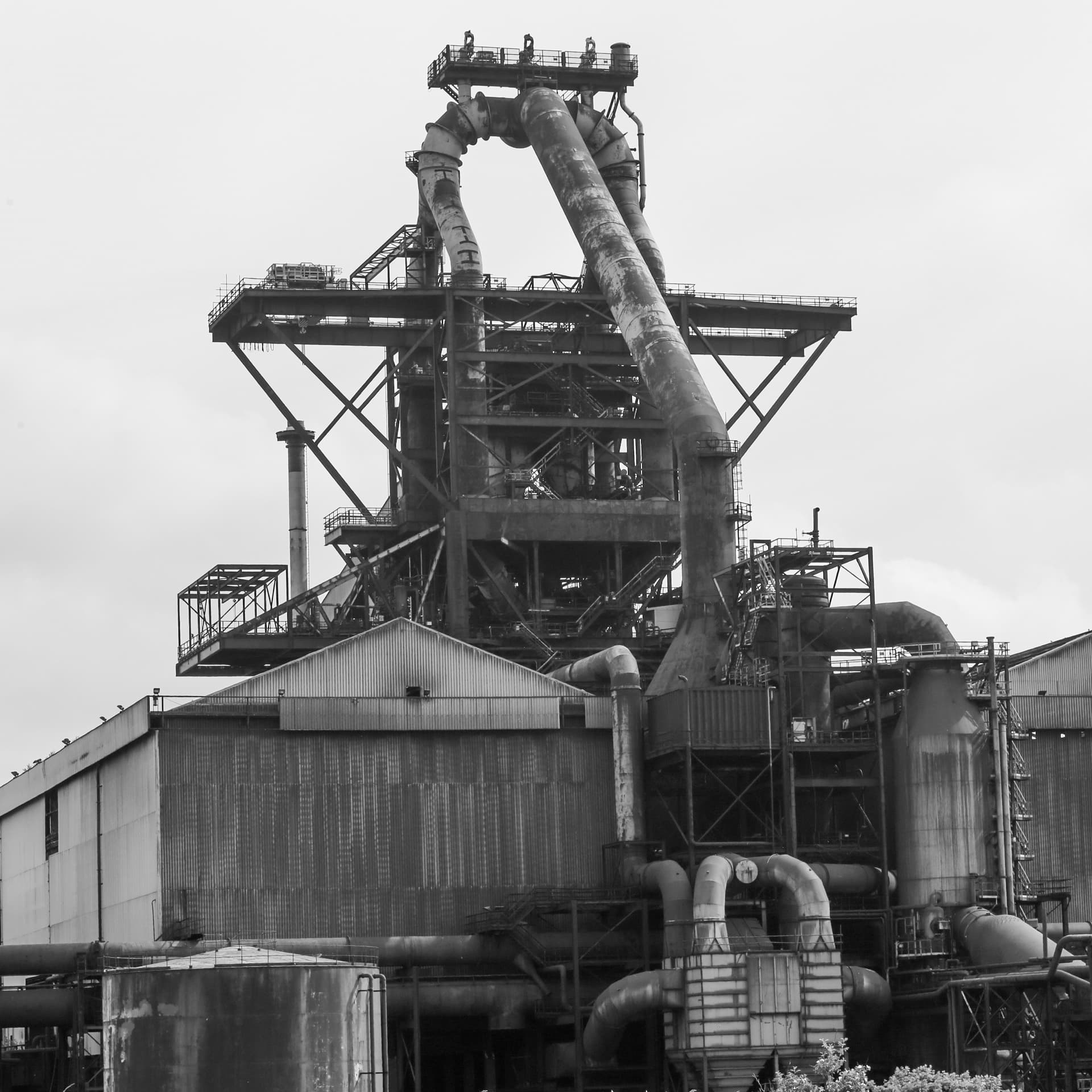
Blast-furnace head detail — UK heavy-industrial scale 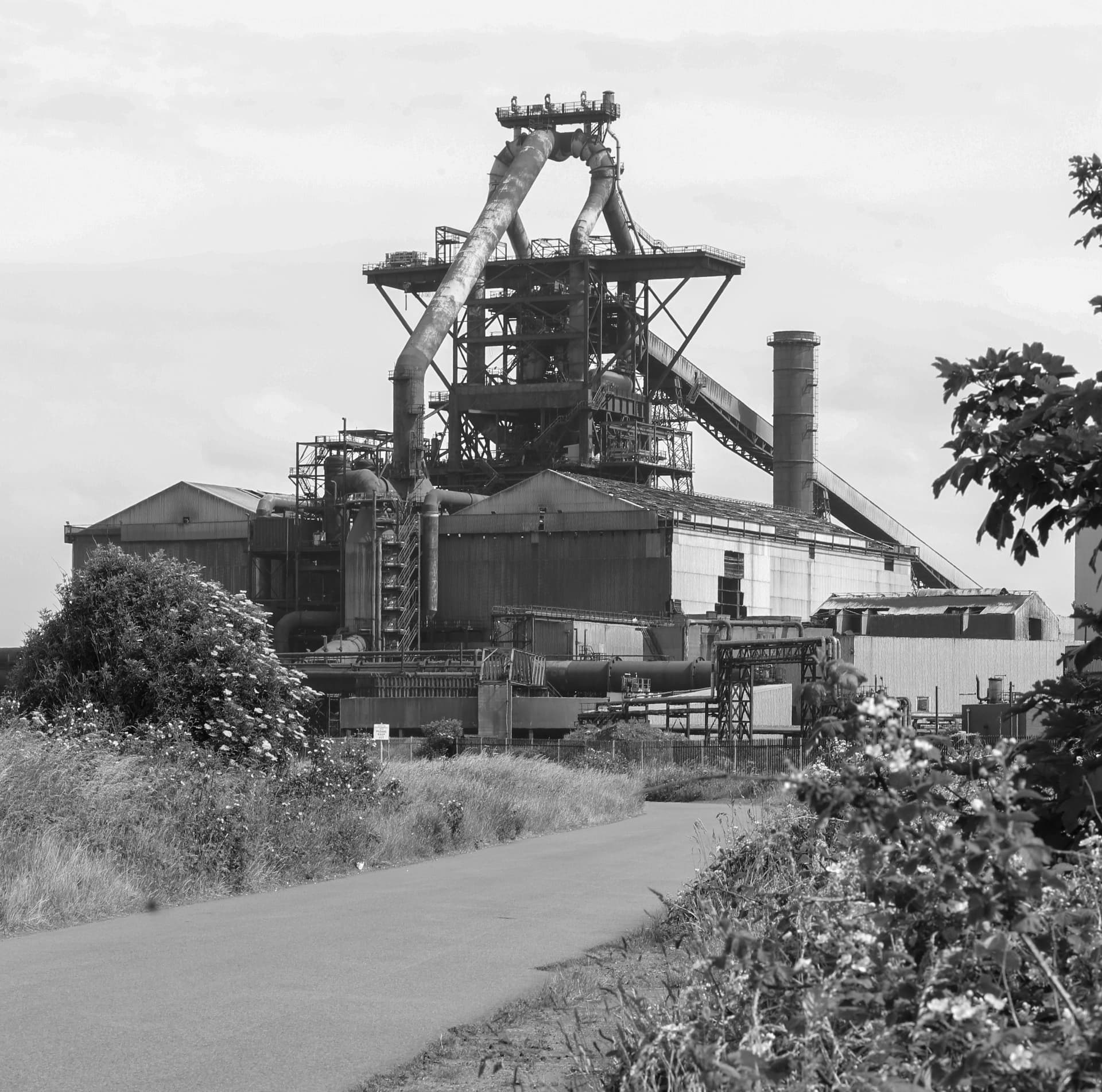
Blast-furnace exterior — approach view 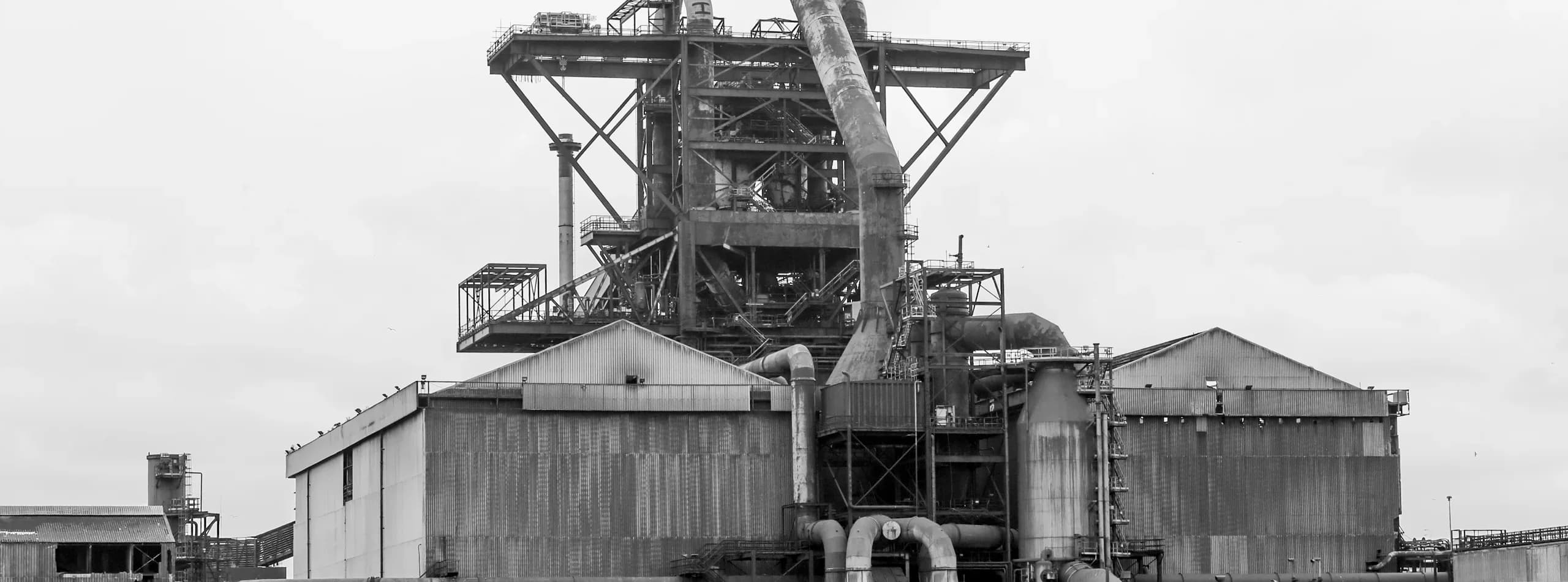
Process plant during shutdown — pre-outage view
Documented projects
Process & Refractory case studies on file.
5 projects in this sector — each with the method statement, the equipment used, and the outcome.
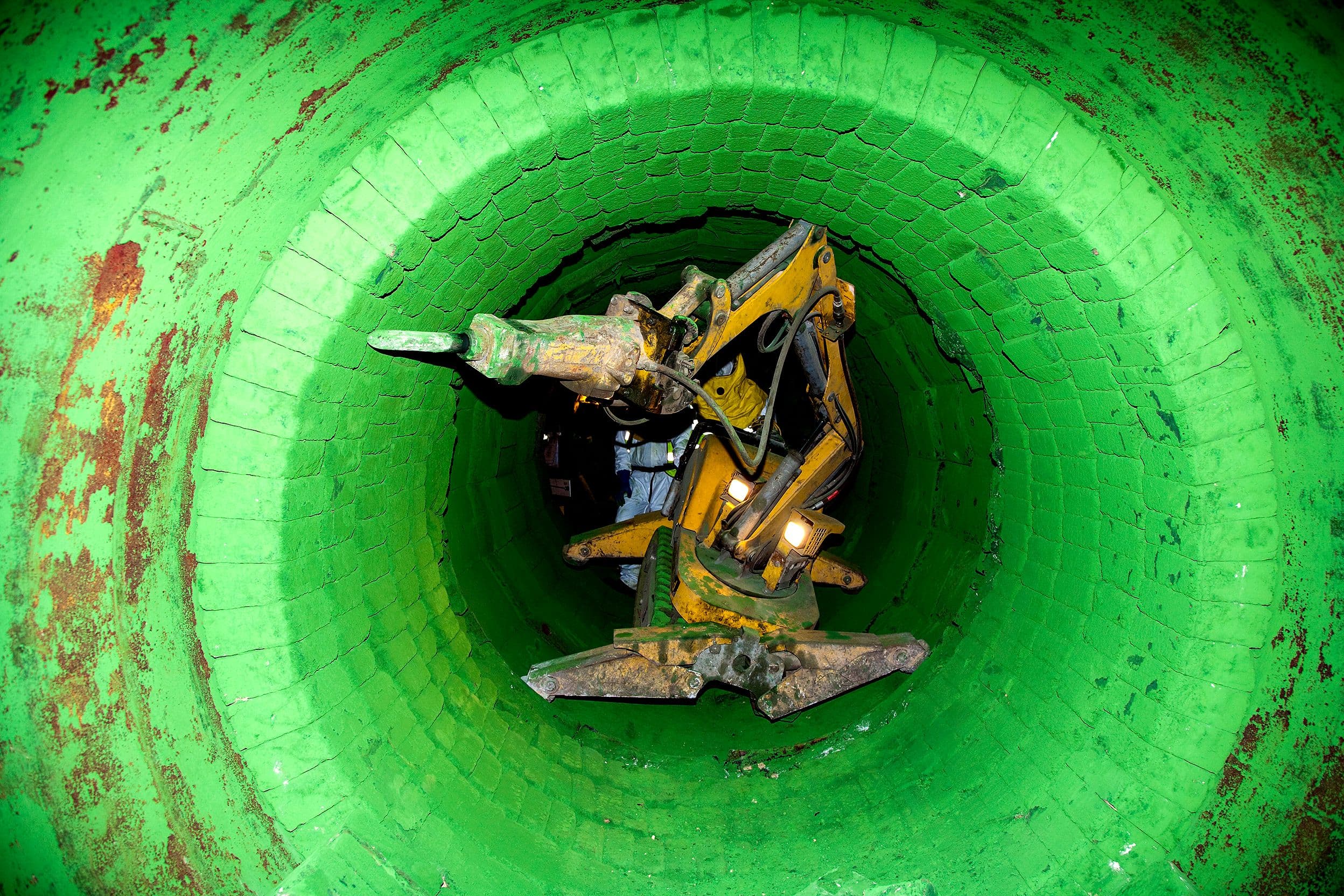
Project · 1 July 2024
De-bricking a Contaminated Chromium Kiln with Brokk Robotics
Seven Brokk robots stripped 200 tonnes of contaminated brick lining from six rotating kilns at an Elementis chromium plant over six months.
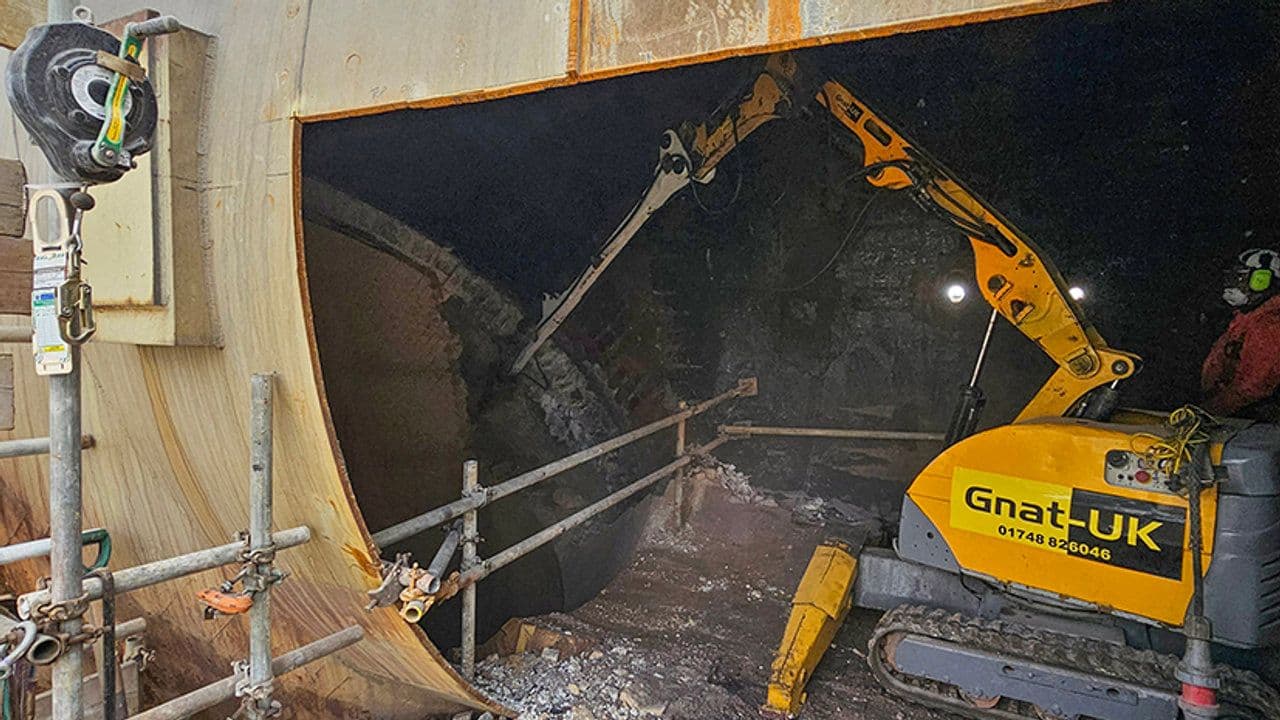
Project · 1 October 2025
Precision Cold-Cutting & BROKK Debricking within the Complex Geometry of a Large Refractory Vessel
A highly complex project: precision abrasive cold-cutting on a massive industrial vessel, followed by a full robotic debricking of its interior.
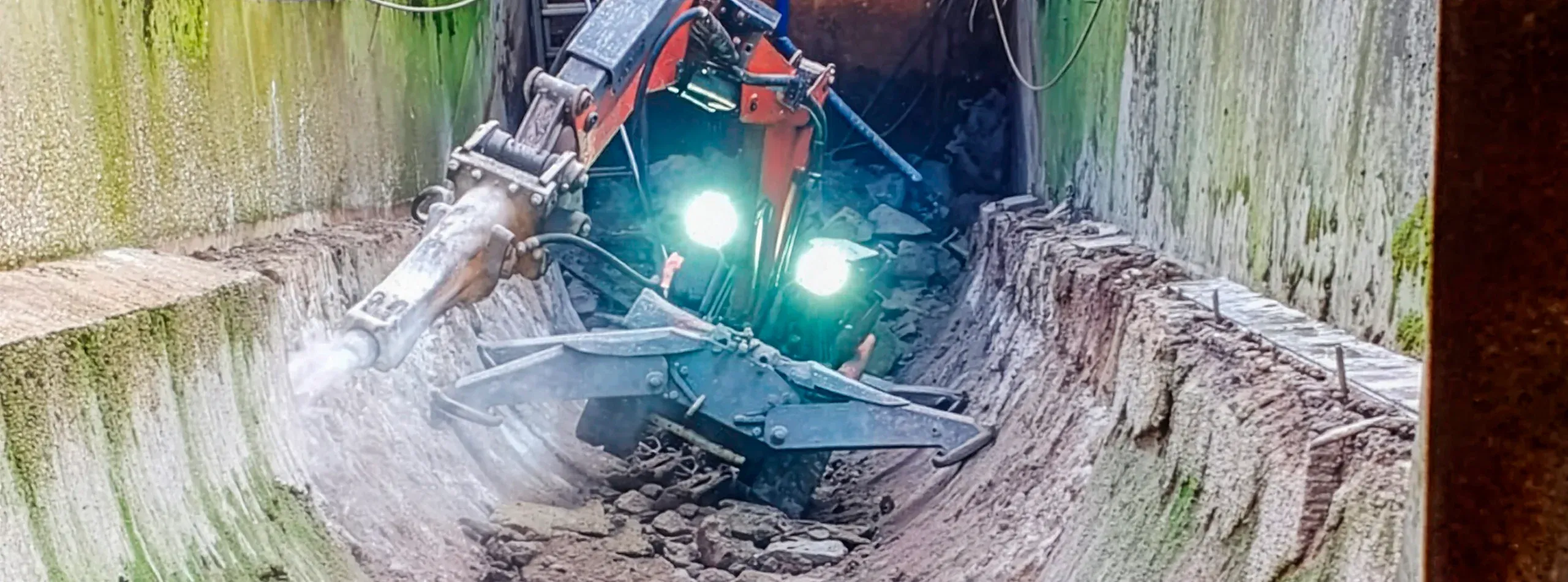
Project · 1 January 2023
Concrete Screed Removal on a 40-Degree Archimedes Screw Trough
A Husqvarna DXR140 robot with hydraulic pecker safely deconstructed concrete screed inside an Archimedes screw trough on a 40-degree incline.
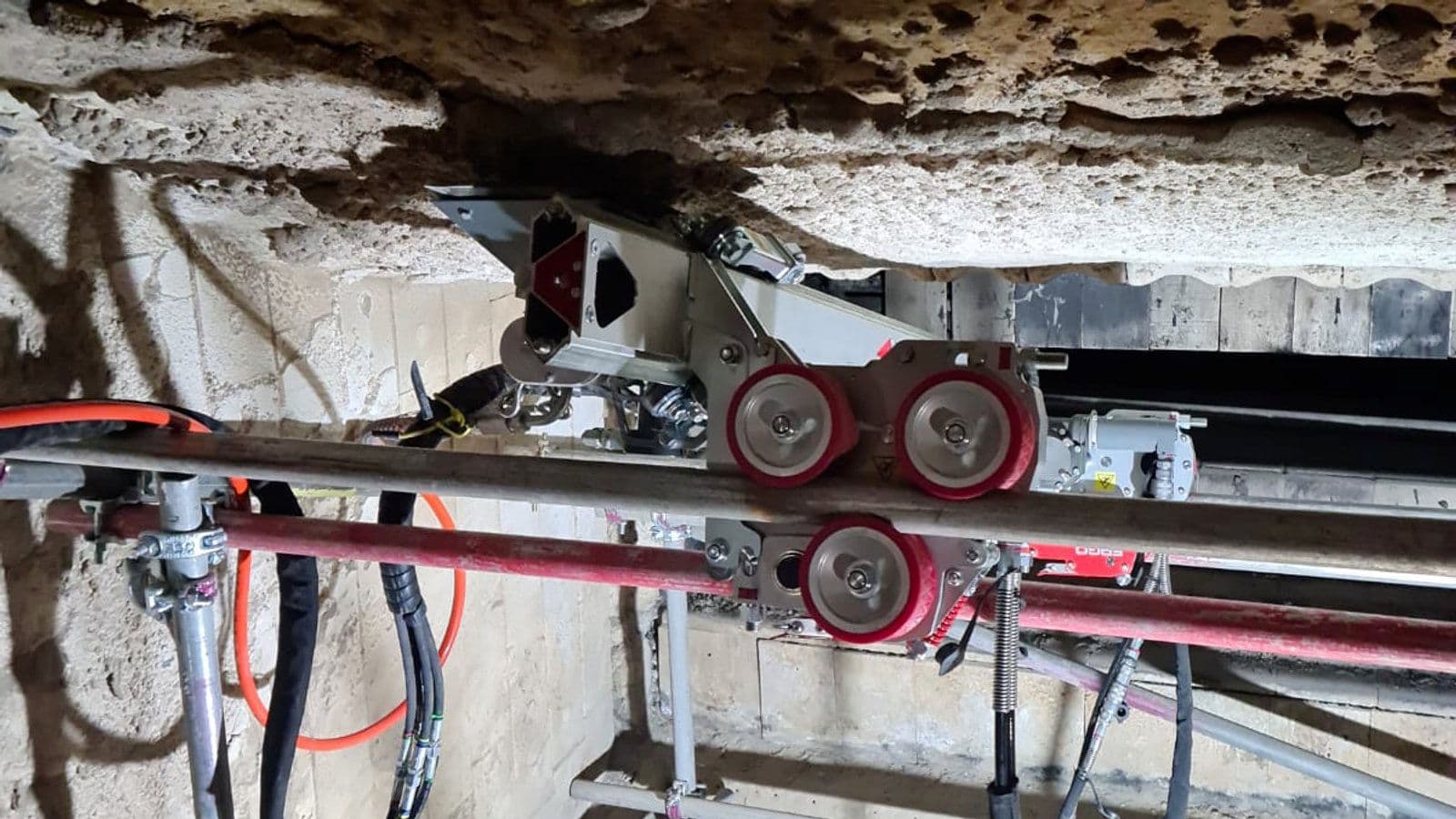
Method · 30 December 2022
ERGO Hydrodemolition for Biomass Boiler Refractory Removal
The Aquajet ERGO system mounts to standard scaffolding to remotely strip refractory inside biomass boilers and kilns four times faster than hand lancing.
Method · 30 December 2022
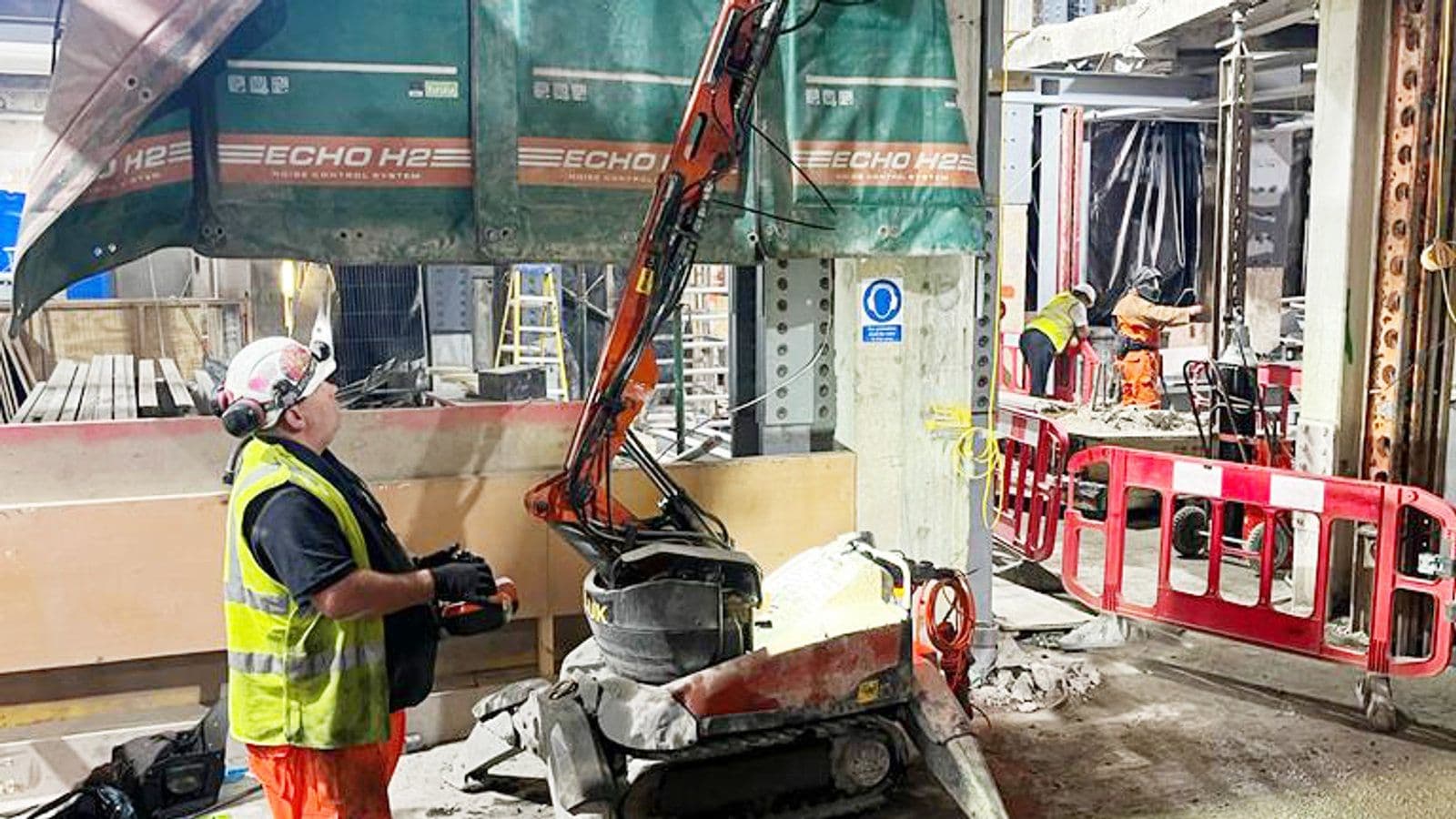
High-Reach Confined Space Demolition with Husqvarna DXR140
A Husqvarna DXR140 fitted with a high-reach boom and hydraulic pecker broke out tall basement ceilings and concrete beams in a restricted-access factory.
FAQ
Process & Refractory — common questions.
A six-kiln Elementis chromium plant — rotary kilns up to 100m long, ranging from 3m to 5m diameter. Approximately 200 tonnes of brick and chromium-oxide contaminated powder removed across a six-month operation using compact Brokk machines craned in through cut access holes.
We don't — refractory linings come out cold. The kiln has to be offline long enough to cool through the refractory mass, which is typically days. Once cool, the methods we use don't reintroduce a heat risk: robotic mechanical breaking, hydrodemolition where moisture is acceptable, and cold cutting where flame is restricted.
The refractory lining and any contaminant residue are segregated at source, sealed at the point of removal and disposed of via licensed hazardous-waste streams. Waste-stream classification and consignment-note tracking are part of the method documentation; we work with the asset owner and their licensed waste contractor to keep the chain of custody intact.
Yes. Selective removal — taking out a damaged section while leaving sound refractory in place — is a precision job and exactly what compact robotic methods are suited to. Method statement defines the boundary of removal and the verification check before reinstatement.
Kiln strip or vessel work coming up?
Outage windows are unforgiving. Bring us into the planning early — method, plant and access sequencing get defined together, so the strip-out doesn't slip the relining programme.