


Water Industry
Specialist demolition for UK water — AMP8 and beyond.
Treatment plants, reservoirs, sewer flumes, bridge decks and dockside structures — delivered without taking the asset offline.
The UK water industry's eighth Asset Management Period (AMP8, 2025-2030) is the largest investment cycle in the sector's history — and almost none of it is greenfield. Most of the work is refurbishment of operational treatment plants, reservoirs, network assets and bridge structures where the wrong demolition method costs more in shutdown than it saves in tool selection.
- AMP8 framework experience
- Non-percussive methods on live assets
- Water-management built in
- Reinforcement-safe selective removal
GNAT UK has delivered specialist demolition for water-industry clients across multiple AMP cycles, working directly for water companies and as supply-chain to Tier-1 contractors including Costain, Galliford Try and other framework partners. The work spans concrete-asset refurbishment (selective removal preserving reinforcement), full-asset decommissioning, and the precision cuts and break-outs that enable new plant to land into existing structures.
What sets the sector apart isn't the demolition itself — it's the surrounding constraints. Water-retaining structures can't accept percussive vibration. Live treatment plants can't accept downtime. Runoff has to be captured, pH-controlled and disposed of compliantly. Operator competency, permits-to-work and asset-owner safety regimes shape every method choice. We work the constraints into the method up-front, not after the first day on site.
What makes this sector different
The constraints that shape every method choice.
Non-percussive on live assets
Hydrodemolition and selective robotic work remove concrete without the vibration that conventional breakers introduce — essential where the structure stays operational.
Water management designed in
Capture, filtration, pH control and discharge planning built into the method statement at proposal stage — not retro-fitted on site.
Framework-ready documentation
Pre-construction packs returned in your preferred PQQ template, with RISQS, CHAS, Constructionline Gold and Achilles credentials current.
Disciplines applied
The methods that anchor in this sector.
Each linked discipline covers the technique in full — equipment, applications, where it fits, where it doesn't.
Discipline
Hydrodemolition
Non-percussive concrete removal — preserving structure and eliminating vibration.
Discipline page →
Discipline
Robotic Demolition
Remote-operated machines for confined-access, structural-removal, and high-risk environments.
Discipline page →
Discipline
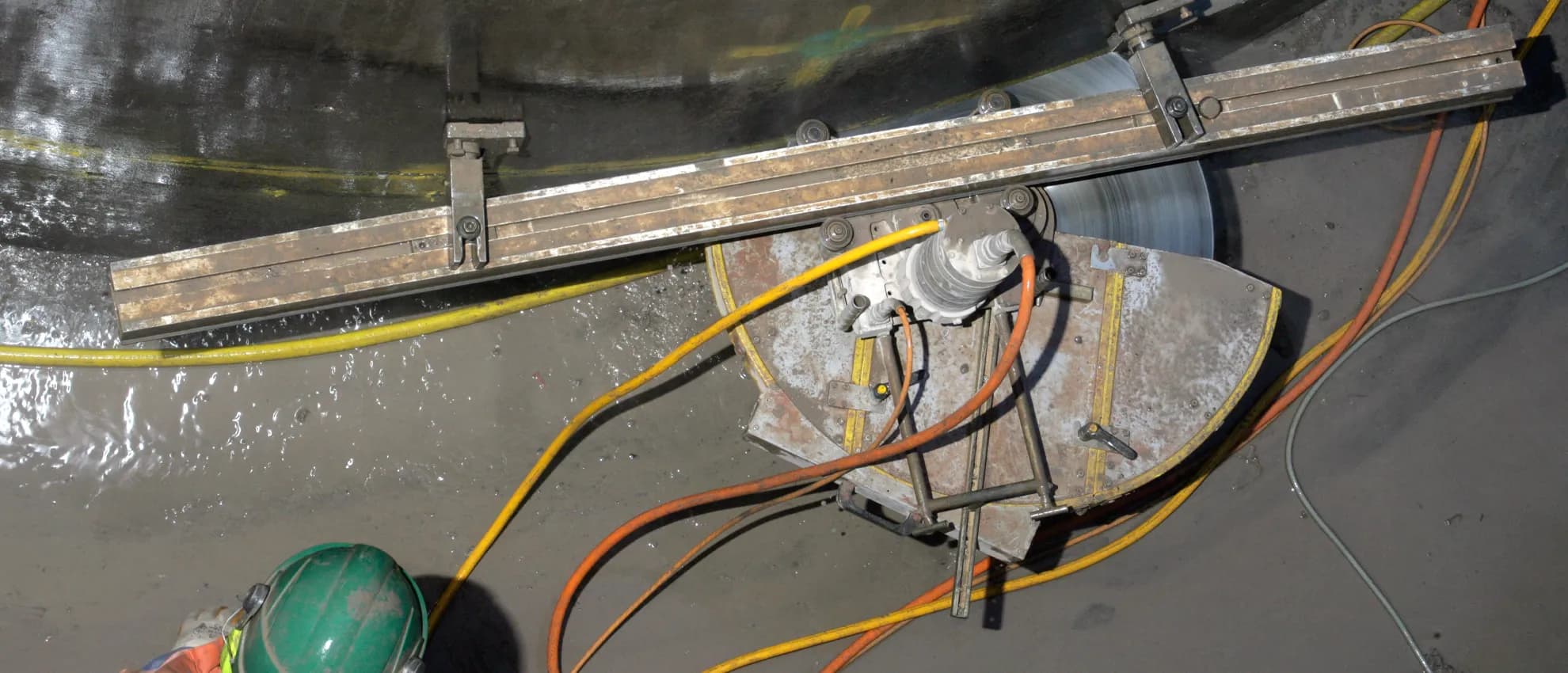
Diamond Drilling & Sawing
Precision cutting in reinforced concrete and structural elements.
Discipline page →
Sub-sectors covered
Where water infrastructure work happens.
- Water treatment works (potable & wastewater)
- Reservoirs, dams and water-retaining structures
- Sewer flumes and trunk-main infrastructure
- Pumping stations and CSO chambers
- Coastal and dockside water assets
- Bridge decks and viaduct strengthening over watercourses
Documented projects
Water Infrastructure case studies on file.
6 projects in this sector — each with the method statement, the equipment used, and the outcome.
Project · 1 December 2021
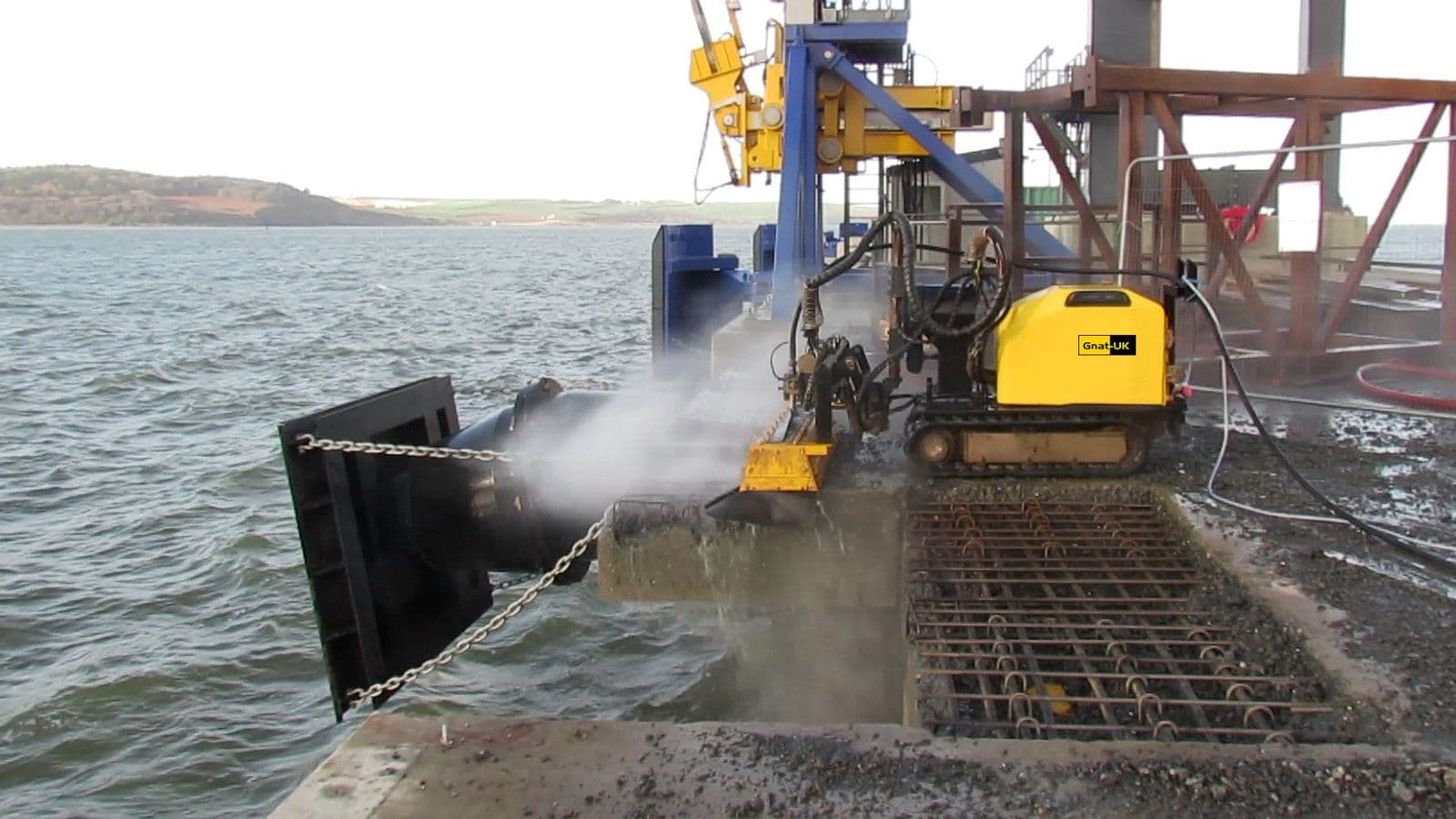
Conjet Hydrodemolition on a North Sea Coastal Jetty
A Conjet hydrodemolition robot stripped degraded concrete from a working North Sea jetty deck while preserving steel substructures and the marine environment.
Project · 6 December 2021
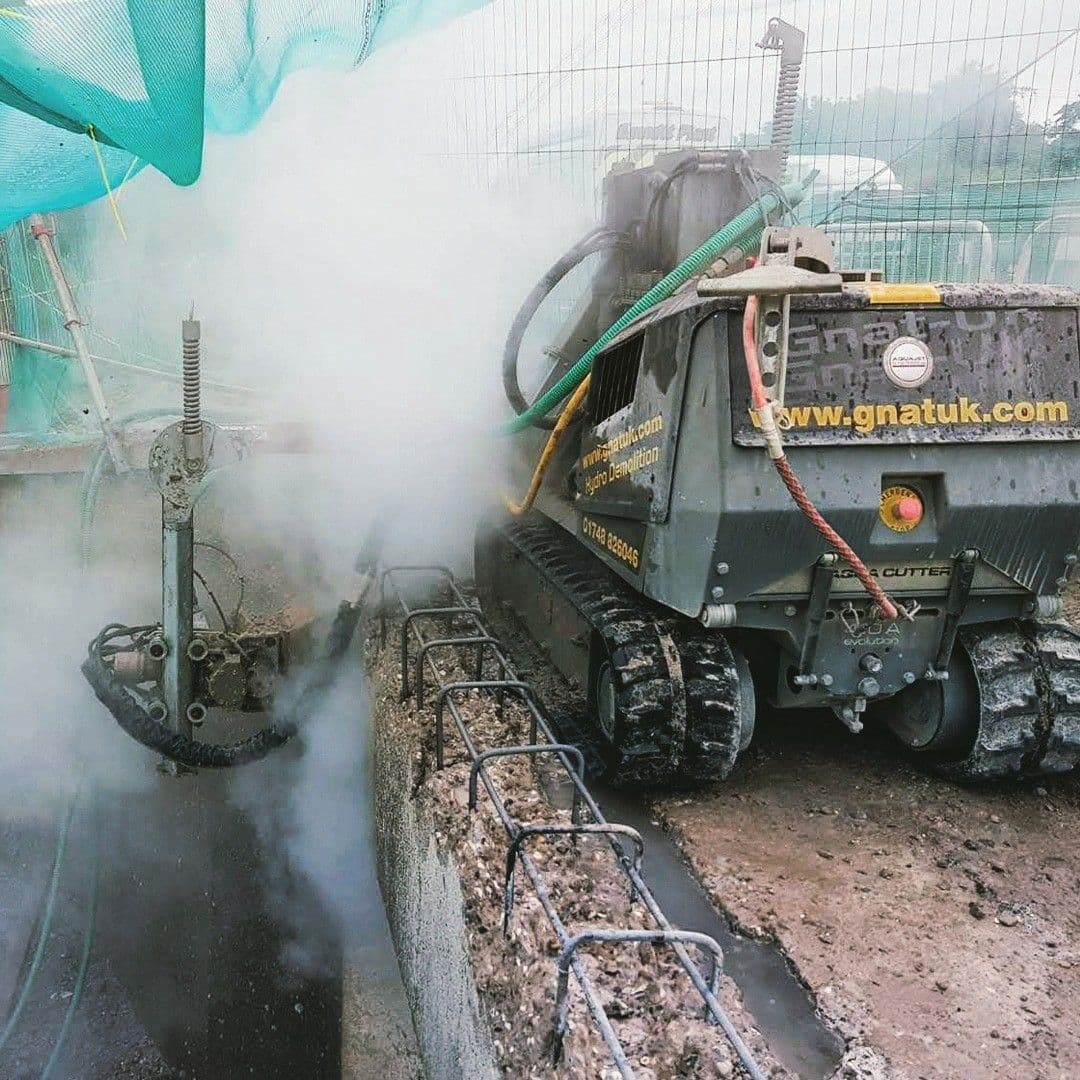
Aquajet Hydrodemolition Robot Deconstructs a Motorway Bridge Parapet
An Aquajet hydrodemolition robot deconstructing a motorway bridge parapet prior to refurbishment.
Project · 27 March 2022
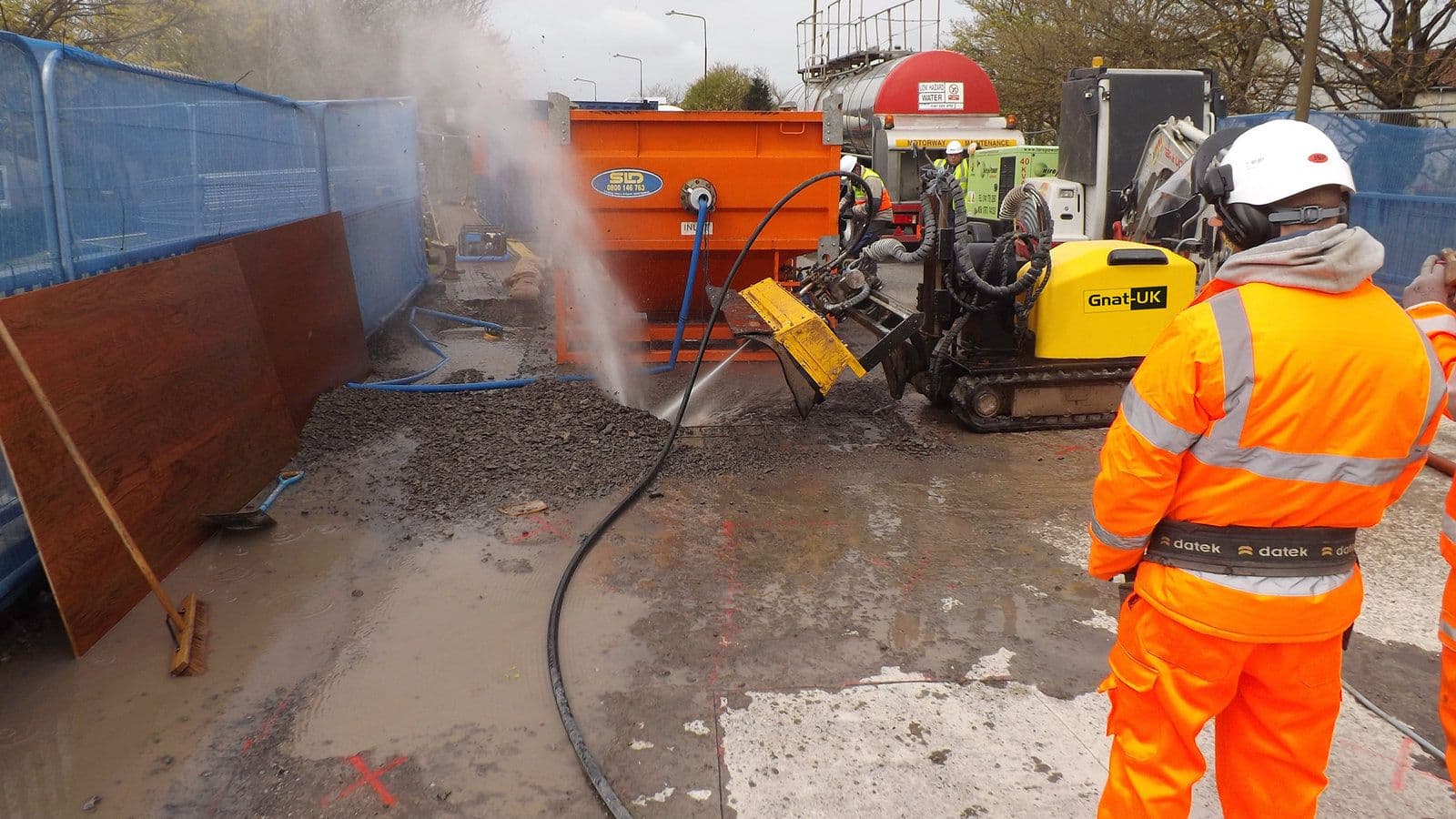
Robotic Hydroblasting for City Bridge Deck Renovation
Robotic hydrodemolition at up to 36000 psi removed 150mm of damaged concrete from a busy arterial city bridge deck with minimum downtime.
Project · 27 April 2022
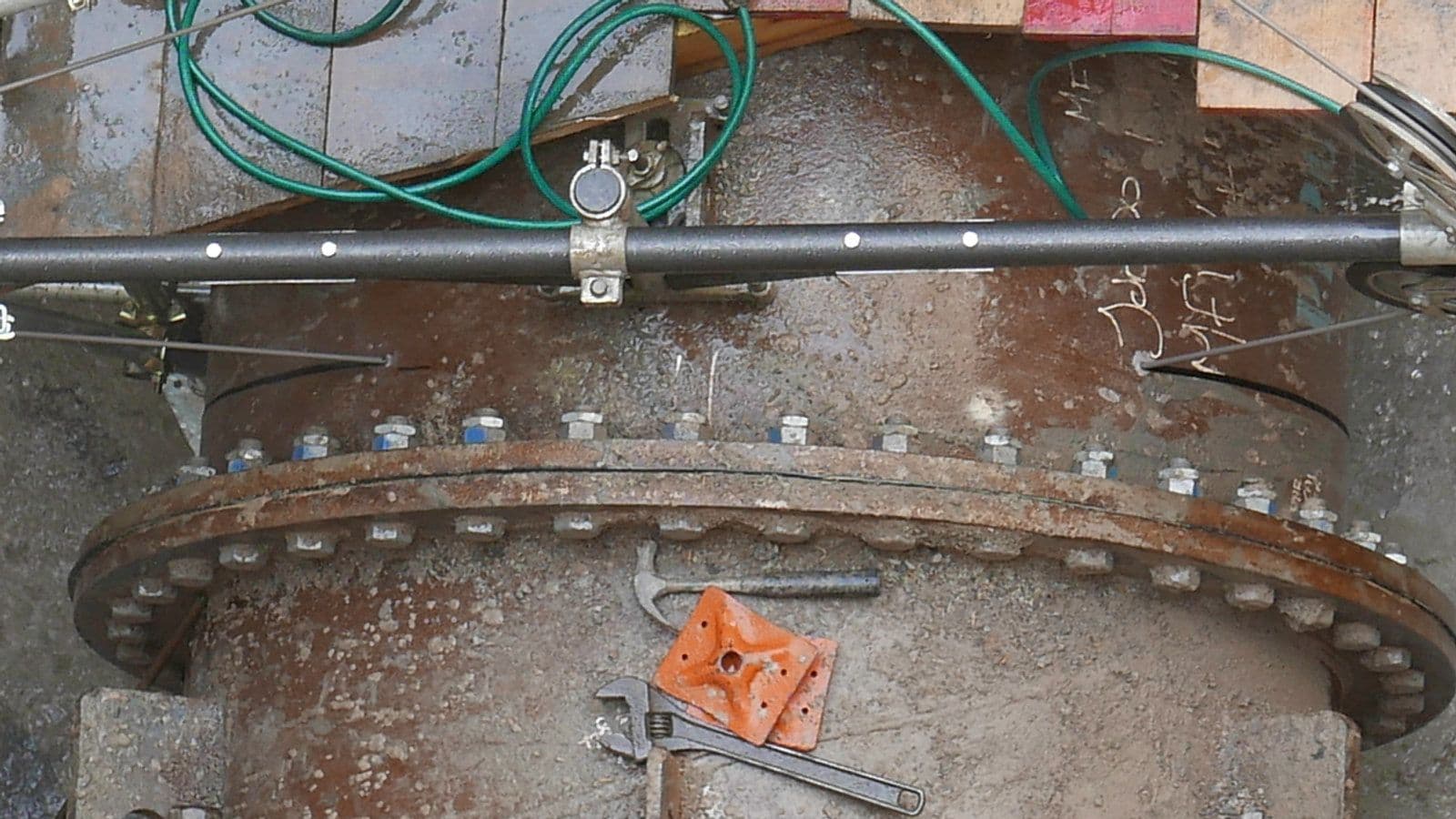
Diamond Wire Sawing Live Sewer Flume Pipes in Glasgow
Hilti WS15 wire saws cold-cut three sections of live 1.6m steel sewage flume in central Glasgow, each isolation completed in just over an hour.
Method · 28 February 2022
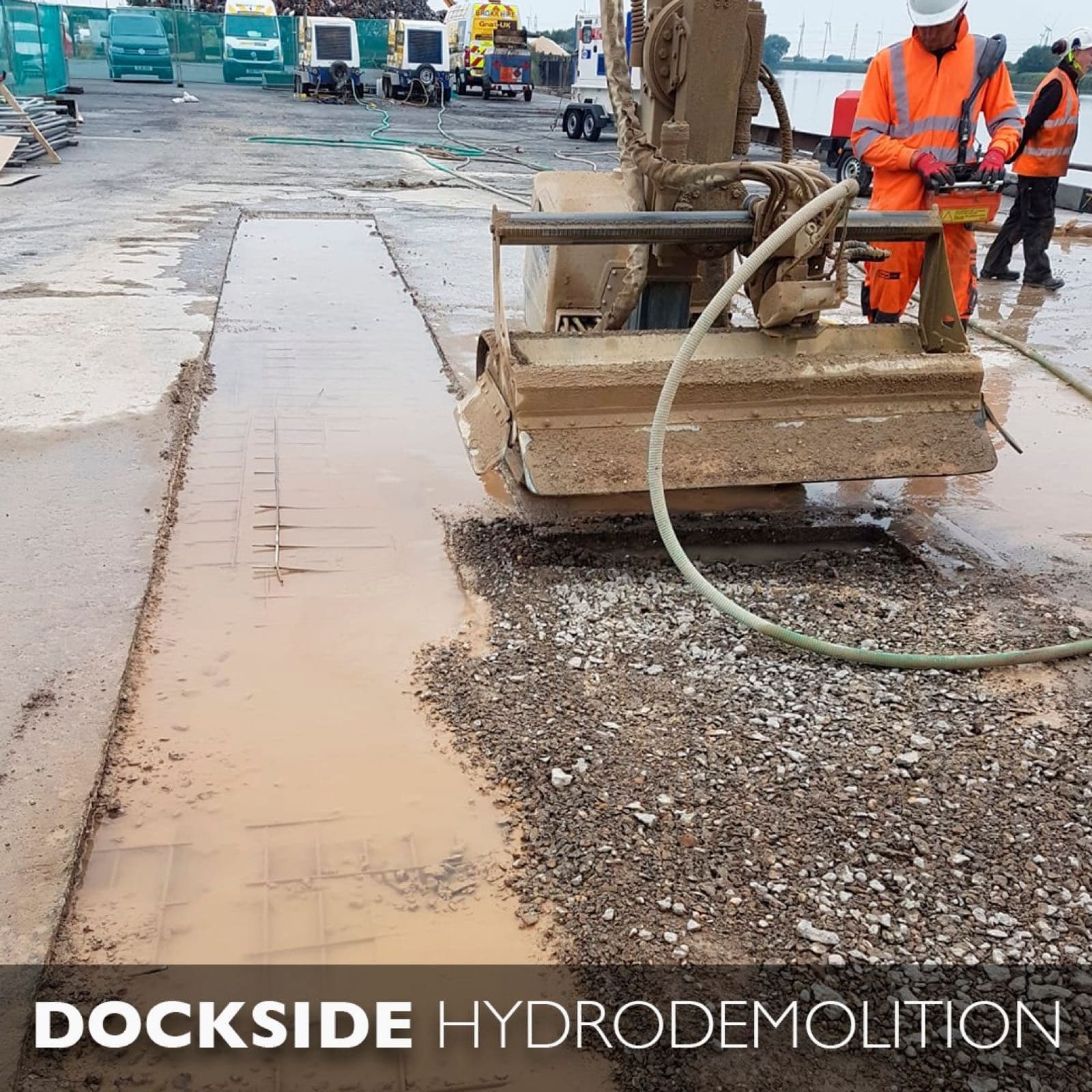
Bulk Hydrodemolition on Coastal and River Dockyards & Jetties
Aquajet and Conjet robots with boom extensions accurately remove defective concrete from jetty decks, sides and undersides — even in changing North East coast weather.
Project · 28 October 2022
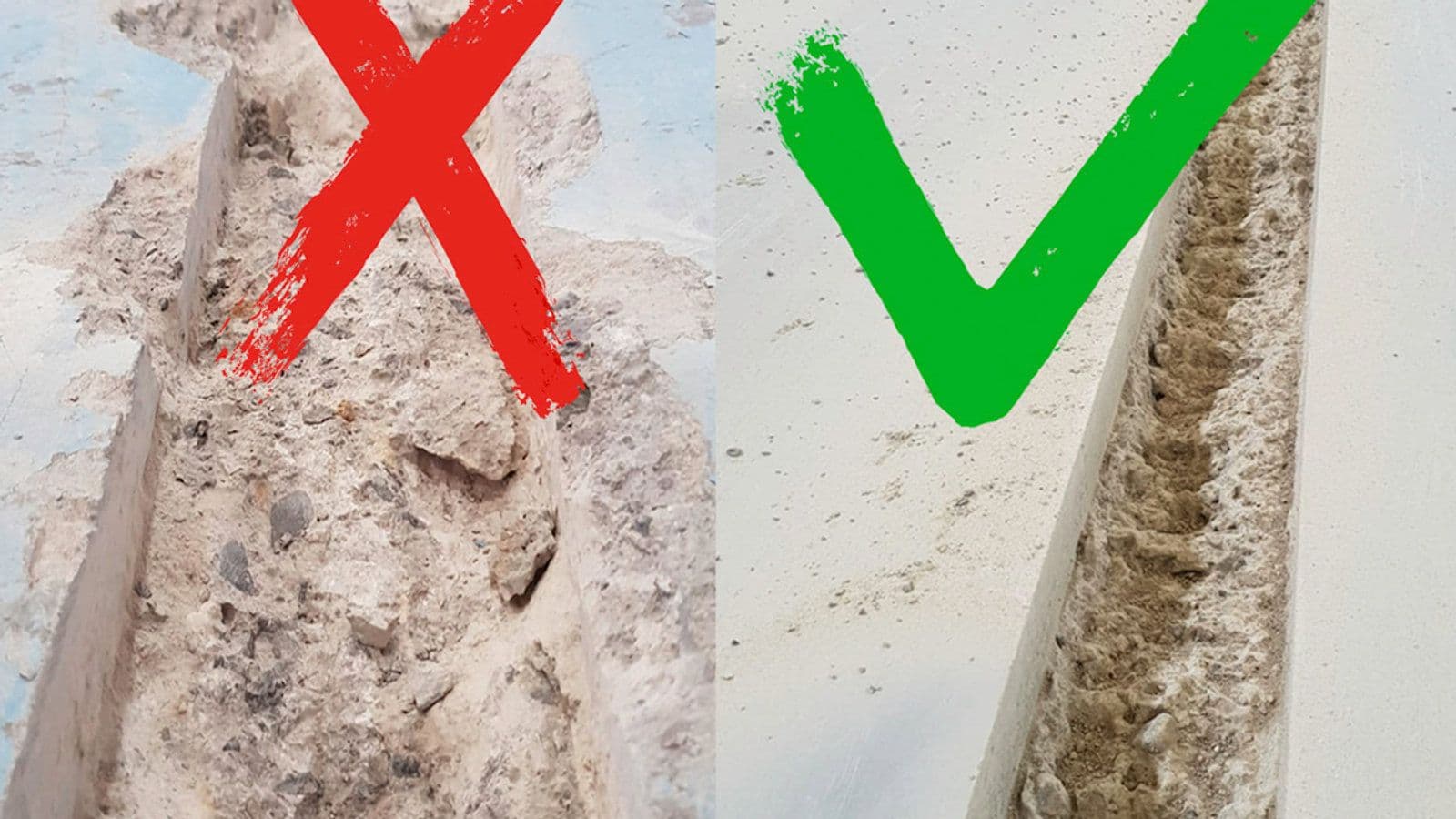
Hydroblasting Precision Rebates into a Factory Floor
Diamond floor sawing and an Aquajet hydrodemolition robot cut 2500m of clean 100mm x 50mm rebates after percussive breakers had failed.
FAQ
Water Infrastructure — common questions.
Yes. GNAT UK is engaged as a specialist demolition sub-contractor to several Tier-1 contractors delivering AMP8 schemes for UK water companies, and we are positioned to be brought into AMP8 schemes at framework or scheme-specific level. Speak to us early — method definition at scope-development stage is where the savings sit.
Capture, filtration and pH control are designed into the method from the proposal stage. We assess discharge constraints (foul sewer, surface water, watercourse) against the volume of runoff the method will produce, and integrate water-management plant (settlement tanks, neutralisation kit, monitored discharge) into the site setup. The plan goes into the method statement, not into a 'we'll work it out on site' bucket.
Yes — the bulk of our water-industry work is in operational assets. Live working drives a tighter method definition: confined-access robotic methods for restricted areas, hydrodemolition where vibration is unacceptable, and full integration with the asset operator's permit-to-work and HazID regime.
Older water-industry assets routinely include legacy contaminants — asbestos in pipework lagging, heavy-metal residues in process tanks, or chlorinated solvents in pre-treatment plant. Pre-survey results drive the method: hot-work restrictions, atmosphere monitoring, decontamination plan and waste-stream segregation are written into the method statement before mobilisation.
AMP8 brief that needs a specialist demolition view?
Bring us in at scope-development. Method definition at this stage is where the real programme savings sit — we will tell you upfront where the brief is structurally workable and where it needs a re-think.